
-
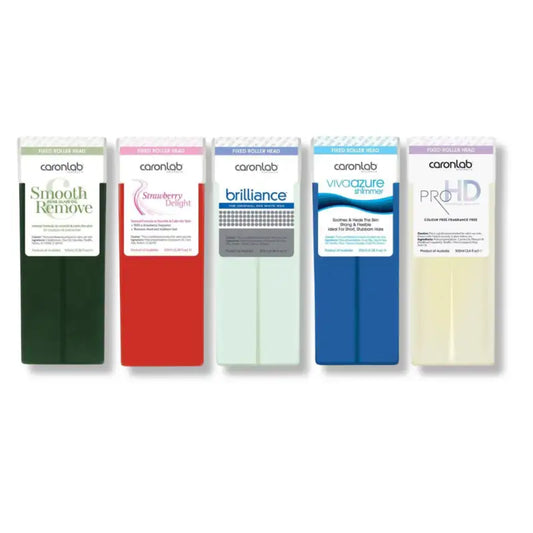
Caronlab Strip Wax Cartridges - Fixed Head
Regular price From $4.20Regular priceCaronlab Strip Wax Cartridges - Fixed Head
Regular price From $4.20Regular priceCaronlab Strip Wax Cartridges - Fixed Head
Regular price From $4.20Regular price -
Hi Lift Strip Wax Cartridge - 100ml
Regular price $4.95Regular priceHi Lift Strip Wax Cartridge - 100ml
Regular price $4.95Regular priceHi Lift Strip Wax Cartridge - 100ml
Regular price $4.95Regular price -
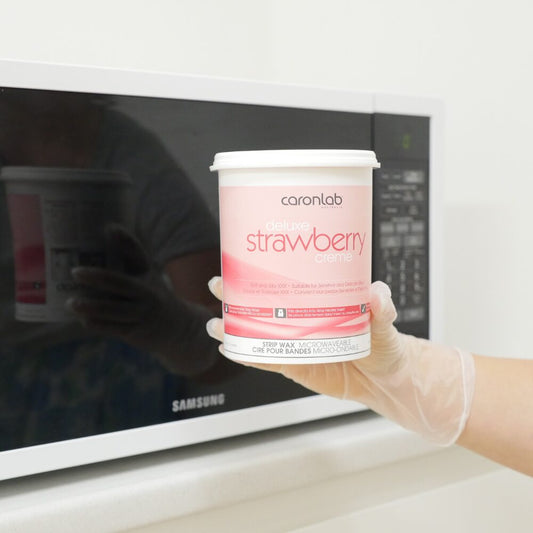
Caronlab Strawberry Creme Strip Wax - 800ml
Regular price $31.50Regular price -
Caronlab Brilliance Strip Wax 800ml
Regular price $31.50Regular price -
Caronlab Smooth & Remove Pure Olive Oil Strip Wax - 800ml
Regular price $29.90Regular price -
Jennai Strip Wax - Strawberry 1KG
Regular price $19.95Regular price -
Caronlab Superbond Lip & Brow Pre Cut Wax Strips 1000pack
Regular price $19.90Regular price -
Caronlab Dair Non Woven Wax Roll - 100mtrs
Regular price $19.90Regular price -
Caronlab Dair Strips Non Woven Pre Cut Wax Strips - 300pack
Regular price $16.95Regular price -
Caronlab Professional Wax Cartridge Heater & Applicator
Regular price $52.00Regular price -
Caronlab Multi Cartridge Wax Heater
Regular price $179.00Regular price












Soft Wax
Professional Soft Wax for Salon Body Hair Removal
Choose soft wax to support professional body waxing services, from leg and arm treatments to back and chest hair removal. Applied in a thin layer and removed with a separate waxing strip, this versatile wax type is a familiar choice for treating larger areas in a controlled salon workflow.
Explore soft wax with a clear understanding of how the formula, waxing strips and preparation method work together. Select each product according to its intended treatment areas, manufacturer instructions and your client's needs.
What is soft wax?
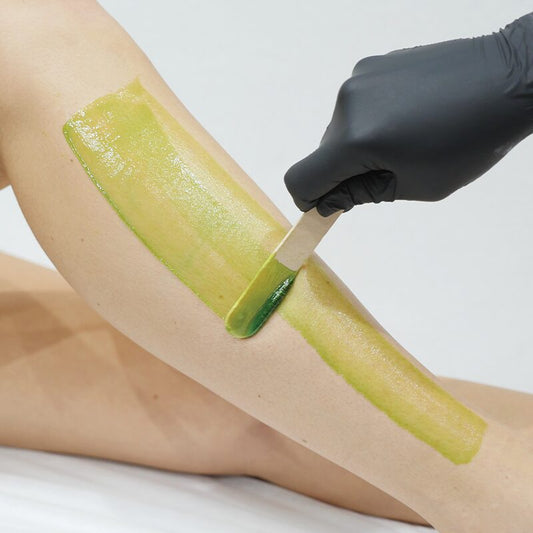
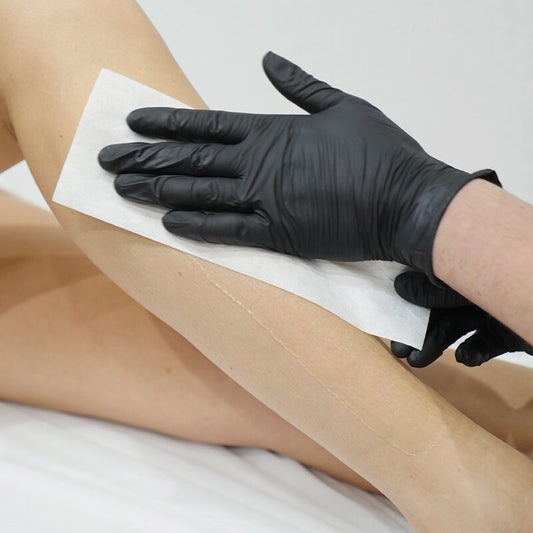
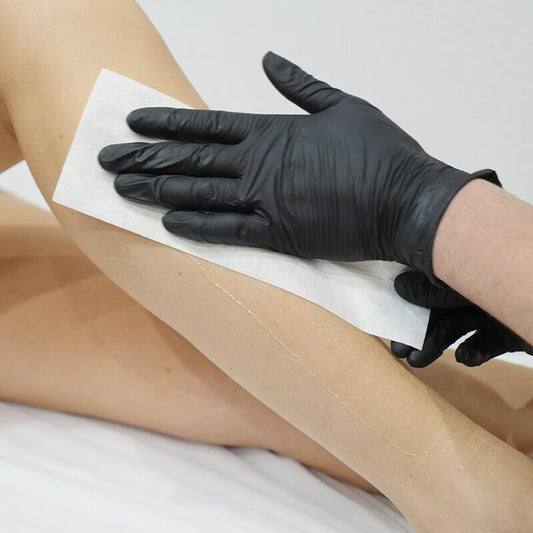
Soft wax is a hair removal wax lifted from the skin using a separate paper or fabric waxing strip. It is commonly called strip wax. Unlike hard wax, it is not intended to set into a peel-off layer that can be removed on its own.
The word soft describes the waxing system, not a promise of a gentler treatment or suitability for sensitive skin. Ingredients, working temperature, application method and client assessment all matter when choosing a formula.
Why choose soft wax for larger treatment areas?
Soft wax is commonly used for legs, arms, backs and chests because a thin application and strip-removal method can support efficient coverage. Working in manageable sections helps the therapist maintain control over application and removal throughout the service.
Some formulas are selected for finer body hair, but performance should be assessed against the individual product's directions rather than assumed from the category name. Check the recommended hair types and treatment areas before use.
Soft wax versus hard wax
The main difference is removal. Soft wax needs a separate strip, while hard wax sets into its own removable layer. Soft wax is widely used for larger body areas; hard wax is commonly selected for smaller or delicate areas where the particular formula is suitable.
Soft wax can adhere to skin as well as hair, so careful preparation and removal technique are important. Avoid repeatedly waxing the same area during a treatment. Neither wax type should be described as universally painless or suitable for every client.
Choosing a soft wax for your salon
- Treatment suitability: check which body areas and hair types the formula is designed to treat.
- Application characteristics: look for a working consistency and spreading method that suit your professional technique.
- Strip compatibility: use the paper or fabric strips recommended for the wax system.
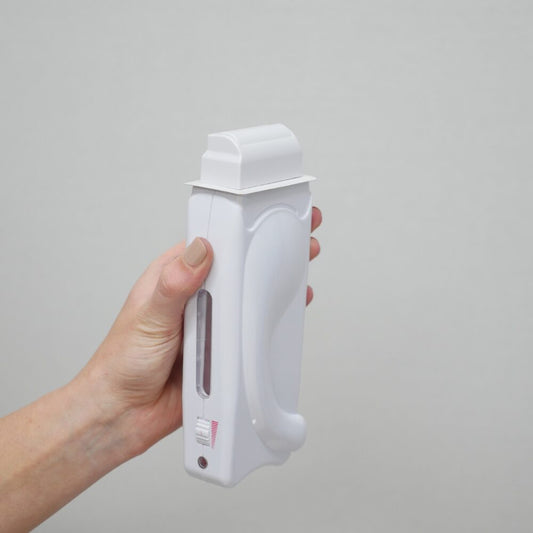
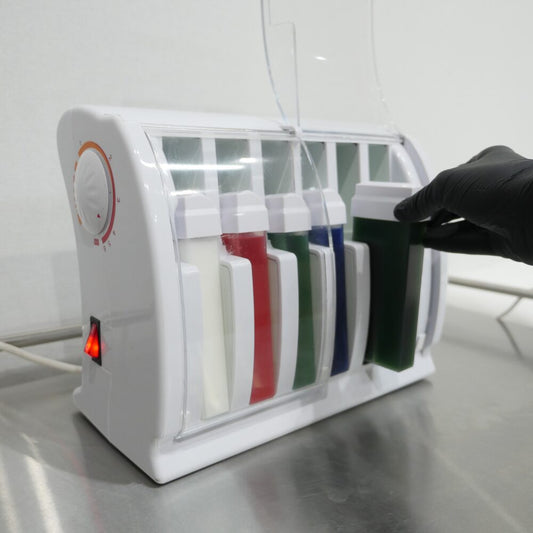
- Heating requirements: confirm the approved heater and container arrangement before preparing the product.
- Ingredients and precautions: review the formula and carry out the manufacturer's recommended checks for each client.
Preparing and applying soft wax
Follow the directions supplied with the exact wax and equipment. Heating times and working temperatures vary, so a setting used for one formula should not automatically be used for another. Complete the recommended temperature and skin-testing checks before treatment.
Prepare the skin as directed, then apply a thin, even layer in manageable sections using the product's specified technique. Apply the compatible waxing strip and remove according to the system instructions and your professional training, supporting the skin throughout. Soft wax does not use the same thick-layer, peel-off method as hard wax.
Finish with the recommended residue-removal and aftercare products. If wax is not removing cleanly, reassess preparation, temperature, layer thickness and strip compatibility rather than repeatedly treating the skin.
Soft wax FAQs
Is soft wax the same as strip wax?
Yes. These terms commonly describe wax applied in a thin layer and removed with a separate paper or fabric strip. Always check the individual product directions to confirm its application method.
Do I need strips to remove soft wax?
Yes. Soft wax requires compatible waxing strips. It is not designed to be peeled away by itself like hard wax.
What areas is soft wax commonly used for?
Legs, arms, backs and chests are common treatment areas. Check the individual formula's recommendations before selecting it for any service, especially smaller or delicate areas.
Can soft wax remove fine body hair?
Soft wax is commonly selected for fine body hair, but results depend on the formula, hair condition, preparation and technique. Use the manufacturer's guidance to choose a suitable product.
Does soft wax need to harden before removal?
No. It is removed using a waxing strip rather than allowed to form a self-supporting peel-off layer. Follow the timing and method specified for the individual formula.
Can I apply soft wax over the same area twice?
Avoid repeated passes over the same area during a treatment because soft wax can adhere to the skin as well as hair. Follow the manufacturer's precautions and your professional training when addressing remaining hairs.
What temperature should soft wax be heated to?
Use the temperature and preparation process specified for the exact formula and heater. There is no single setting suitable for every soft wax. Check the application temperature before skin contact.
Is soft wax suitable for sensitive skin?
Do not assume suitability from the name. Review the ingredients, intended treatment areas and precautions, assess the client and follow the manufacturer's testing directions before use.
Compare individual soft wax products to find the right fit for your salon's body waxing services. This guide supports product selection and does not replace manufacturer instructions, client assessment or practical professional training.
Made with care and unconditionally loved by our customers, this signature bestseller exceeds all expectations.
