
-
Caronlab Advanced+ Stripless Fusion Wax Beads - 800g
Regular price $36.90Regular price -
Caronlab Braziliant Film Wax Beads - 800g
Regular price $32.50Regular price -
Caronlab Hard Wax Beads Strawberry Creme 800g
Regular price $32.00Regular price -
Caronlab Brilliance Hard Wax Beads - 800g
Regular price $32.00Regular price -
Hi Lift Mediterranean Azure Hard Wax - 1kg Bag
Regular price $26.95Regular price -
Hi Lift Bianco Hard Wax - 1kg Bag
Regular price $26.95Regular price -
Hi Lift Sicilian Berry Hard Wax - 1kg Bag
Regular price $26.95Regular price -
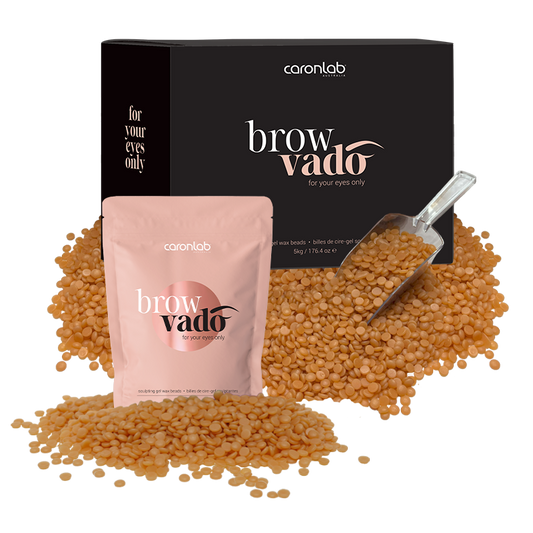
Caronlab Browvado Gel Wax Beads - 500g
Regular price $22.50Regular price







Bead Wax
Professional Hard Wax Beads for Stripless Hair Removal
Explore bead wax for professional hair removal, with guidance to help you choose and prepare the right formula for your treatment. From understanding stripless wax to managing a busy salon's wax heater, effective preparation starts with product compatibility, controlled temperature and sound technique.
What is bead wax?
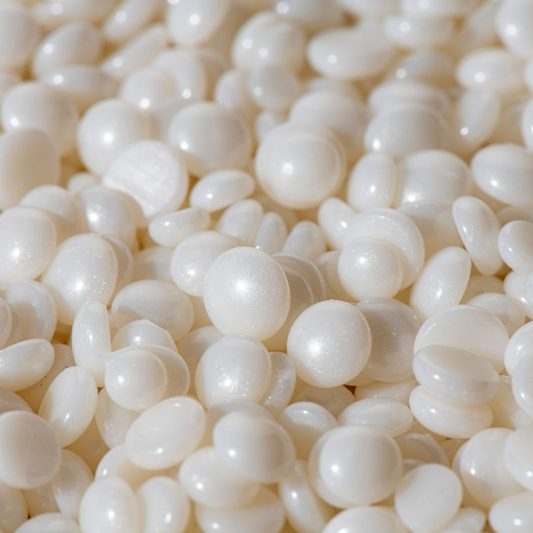
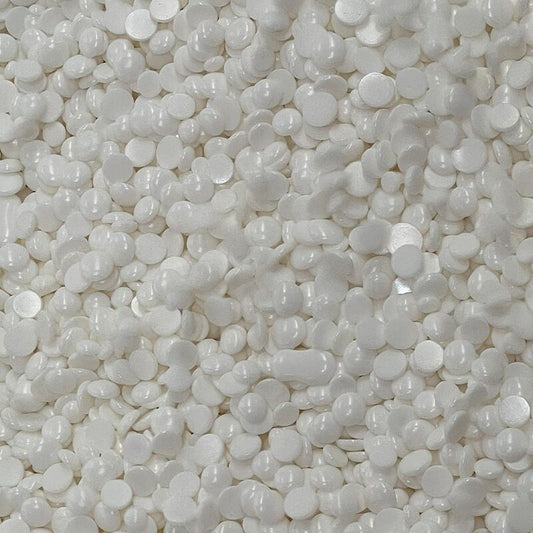
Bead wax is hair removal wax supplied in small pellets that can be portioned into a compatible wax heater. Hard wax beads melt into a spreadable formula, then set on the skin for removal without a separate paper or fabric strip. You may also see these products described as waxing beads, hot wax beads or stripless wax.
The bead format describes how the wax is supplied, not a universal formulation. Ingredients, flexibility, setting time, application thickness and recommended treatment areas can differ. Read the individual product details rather than choosing by colour or fragrance alone.
Choosing hard wax beads for professional waxing
- Treatment suitability: check whether the formula is intended for facial, underarm, bikini or body waxing. Do not assume every bead wax is suitable for every area.
- Client requirements: review ingredients, product precautions and suitability before the service. Bead format alone does not establish suitability for sensitive skin.
- Working characteristics: consider setting time, flexibility and the manufacturer's application technique.
- Heater compatibility: confirm that the heater, pot or insert is approved for the wax you intend to use.
- Salon workflow: choose a heater capacity that suits your service volume while following its fill limits and operating instructions.
How to melt wax beads in a wax heater
Melting wax and reaching a suitable application temperature are separate stages. Follow the instructions for both your chosen formula and your equipment; there is no single temperature, heating time or stirring method that suits every wax bead system.
- Prepare your equipment. Use a compatible wax heater and the required pot or insert, following the equipment instructions.
- Add an appropriate quantity. Portion the beads within the permitted fill level. A larger-capacity heater still needs sufficient preparation time and temperature monitoring.
- Follow the specified melting process. Use the recommended settings and only stir when the product directions permit it.
- Regulate to working temperature. Allow the wax to reach the manufacturer's recommended consistency and application temperature before starting the service.
- Test before application. Complete the manufacturer's temperature and skin-testing checks. Appearance or a heater dial alone is not a substitute for these checks.
When replenishing wax during a service day, follow the specified top-up method and allow newly added beads to melt and the temperature to stabilise before continuing. Do not assume a freshly topped-up pot is immediately ready to use.
Preparing for consistent stripless waxing
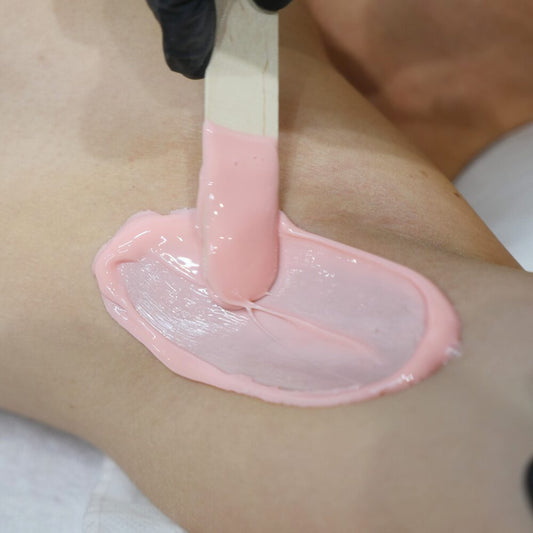
Prepare the skin with appropriate pre-wax products as directed, and follow the wax manufacturer's guidance on hair length, application direction, layer thickness and setting time. Work in manageable sections and remove the wax using the technique specified for that formula. Finish with suitable aftercare and avoid repeatedly waxing an irritated area.
For beginners, understanding the process is useful, but educational content does not replace practical training. Professional assessment and technique are particularly important for facial and intimate treatments.
Bead wax FAQs
Are hard wax beads removed without strips?
Yes. Hard wax sets into a removable layer, so separate paper or fabric strips are not required. Always confirm the product type, as bead shape alone does not define the removal method.
What is the difference between hard wax and strip wax?
Hard wax sets on the skin and is removed as its own layer. Strip wax is removed using a separate waxing strip. Their preparation and application techniques differ, so follow the directions for the formula you select.
How long do wax beads take to melt?
Melting time depends on the formula, quantity, heater capacity and equipment settings. Follow the product and heater instructions rather than using a universal time estimate.
What temperature should hard wax beads be?
Use the working temperature specified for the individual product. The initial melting setting may differ from the application setting. Always carry out the required temperature checks before applying wax to skin.
Can I melt wax beads in the microwave?
Do not assume that loose wax beads are microwave suitable. Use a microwave only when the manufacturer explicitly approves the exact product, container and heating method. Otherwise, follow the specified wax-heater process.
Why does hard wax crack or break during removal?
An overly thin application or leaving wax to set too long can contribute to breakage. Check the recommended layer thickness, working temperature and removal timing for your formula before changing your technique.
Are wax beads suitable for the face and bikini area?
Some hard wax formulas are designed for these treatments, but suitability is product-specific. Check the intended treatment areas and precautions, and use a trained professional for delicate or intimate services.
Compare individual bead wax products to find a formula that suits your treatment needs and equipment. Always follow the packaging directions, client-assessment procedures and professional training before use.
Made with care and unconditionally loved by our customers, this signature bestseller exceeds all expectations.
